
Dental prevention refers to the collection of preventive measures aimed at preserving the health of the mouth and teeth, with the goal of avoiding tooth decay, gum diseases, and other oral problems.
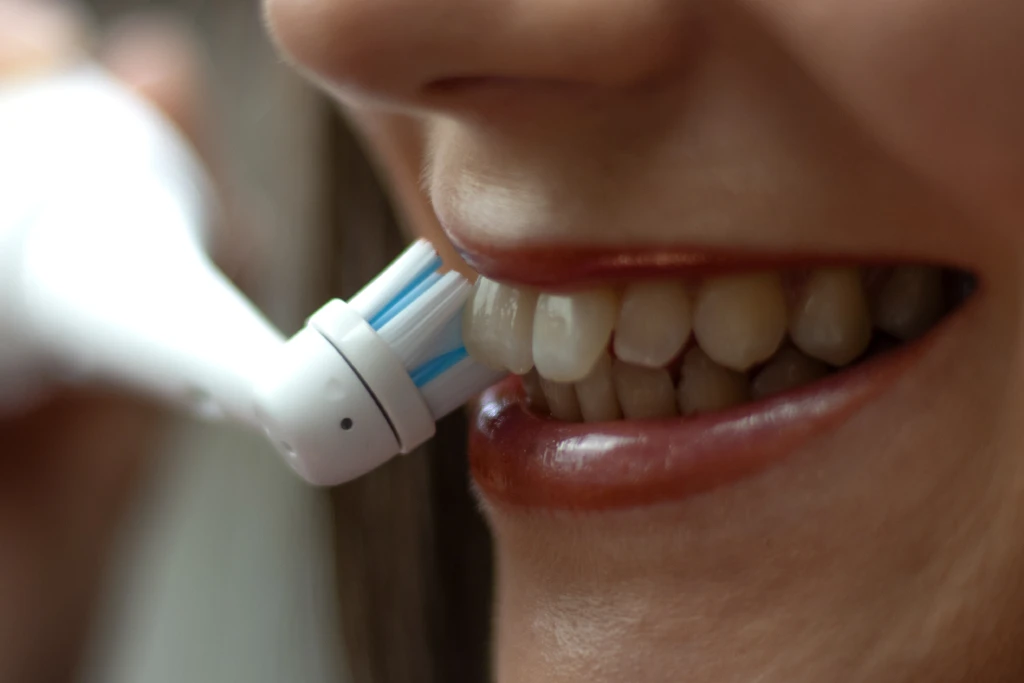
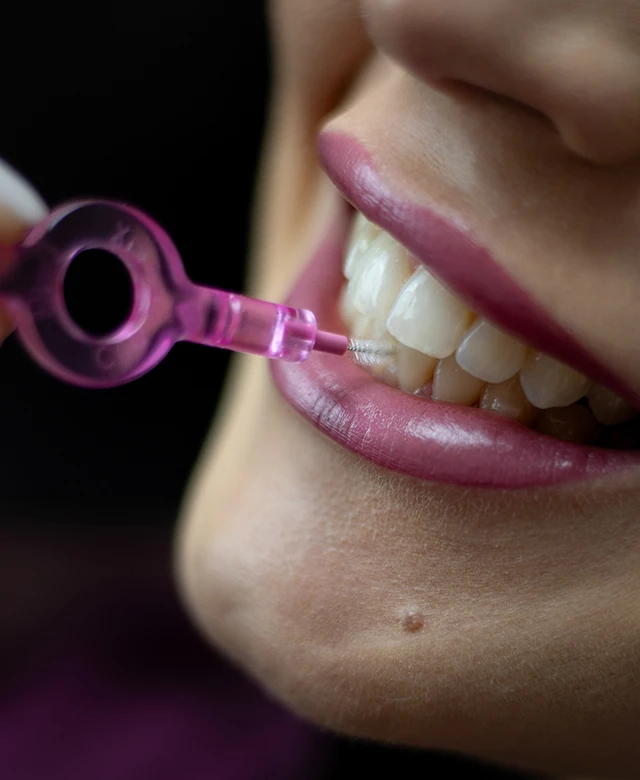
Regular dental check-ups and proper at-home oral care, such as brushing, using dental floss, and applying fluoride toothpaste, can prevent more serious issues. A healthy diet that reduces sugar intake also contributes to dental health.
Prevention not only maintains the integrity of the teeth but also supports overall health, as oral problems can affect the entire body.
This is a completely personalized oral care program tailored to the unique needs and dental condition of each patient. Our dental hygienists use scientifically-based methods to help prevent tooth decay and periodontal diseases. Thanks to the individualized care, the health of the oral cavity can be preserved in the long term.

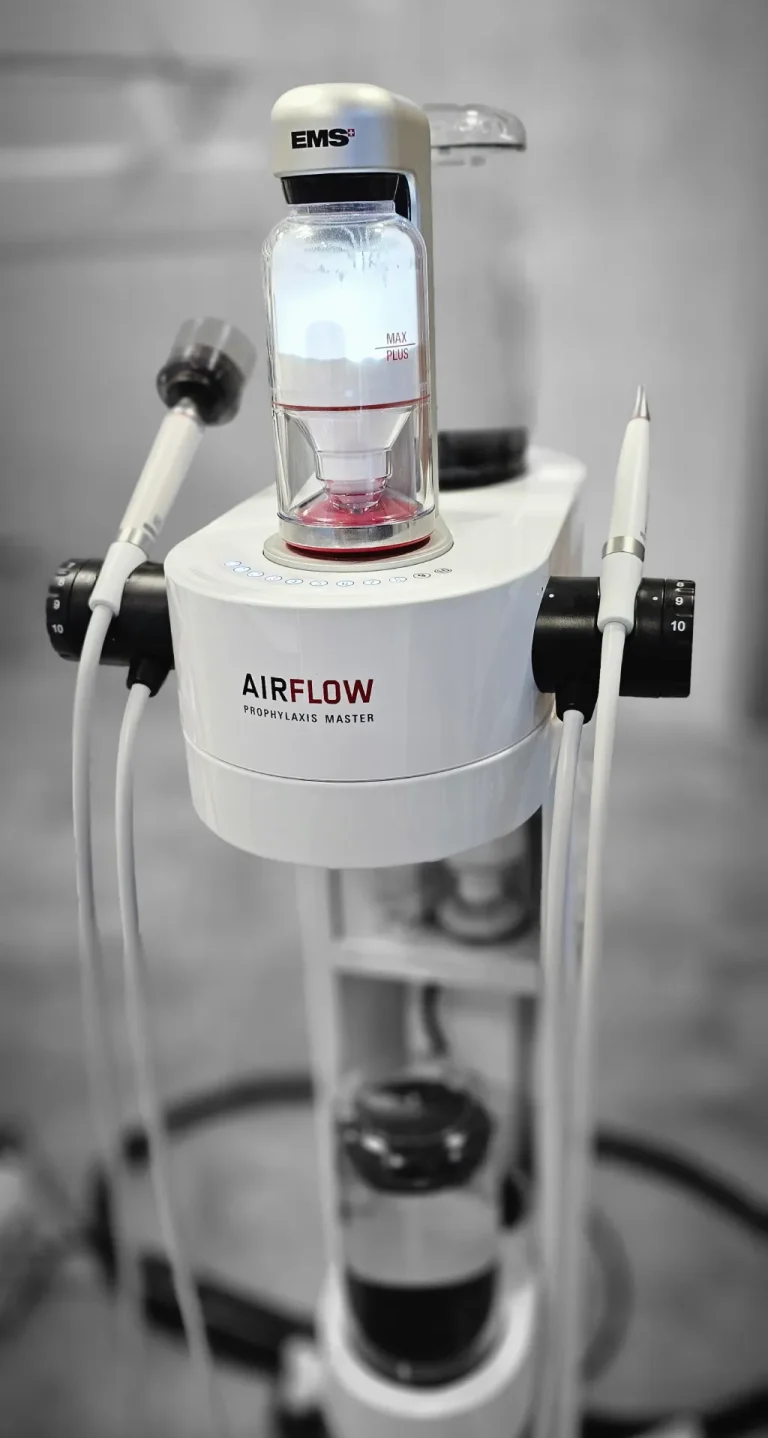
EMS Guided Biofilm Therapy (GBT) is a modern, effective, and gentle oral hygiene treatment focused on removing biofilm from the tooth surface. Biofilm is an invisible layer composed of bacteria, which is a major cause of tooth decay, gingivitis, and periodontal diseases.
GBT employs an eight-step guided process that begins with mapping the biofilm using plaque staining. Following this, the EMS AIRFLOW® technology and minimally invasive tools are used to completely and painlessly remove the biofilm, tartar, and discolorations, even from hard-to-reach areas.
The treatment not only cleans the teeth but also protects the gums and implants.
Regular application of GBT prevents the development of tooth decay, tartar, and periodontal diseases while ensuring the long-term health and freshness of the oral cavity.
Moreover, due to its gentle approach, it is particularly recommended for patients with sensitive gums and those undergoing orthodontic treatment.
Prevention helps to avoid the development of more serious dental issues such as cavities and gum diseases. Regular dental check-ups and proper home care can prevent many future discomforts.
Generally, it is advisable to visit the dentist for a check-up every six months to detect smaller issues in a timely manner. However, some individuals may require more frequent examinations depending on the condition of their teeth and gums.
Proper brushing techniques, the use of dental floss, and fluoride toothpaste are all important tools in prevention. Additionally, a balanced diet and avoiding sugary foods also help maintain the health of your teeth.
Healthy teeth and gums contribute to maintaining overall health, as inflammation and infections in the mouth can affect other organs. Dental prevention helps prevent more serious diseases, such as cardiovascular problems.
Fluoride strengthens the tooth enamel and helps prevent tooth decay. Regular use of fluoride toothpaste and occasional fluoride treatments at the dentist reduce the risk of damage to the teeth.
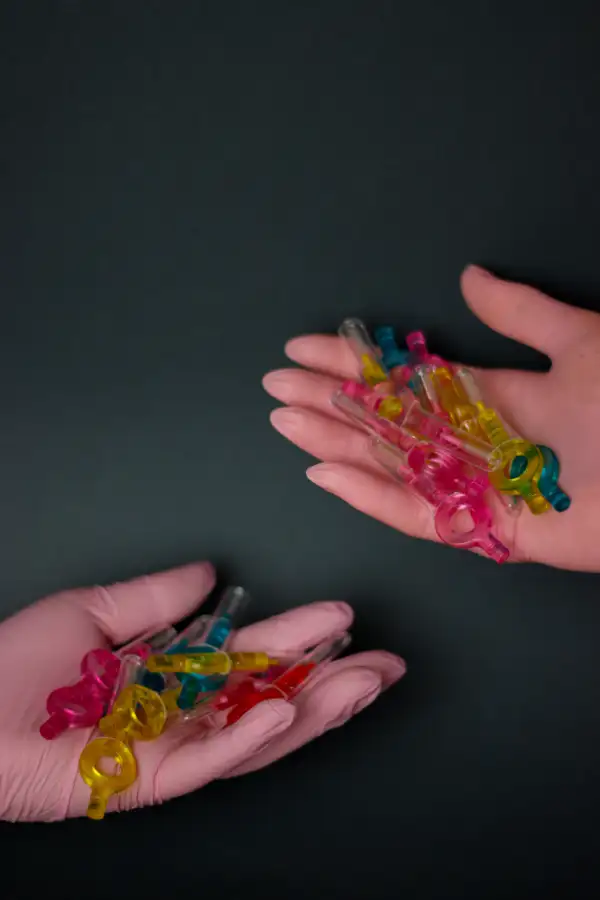
Toothbrushes, dental floss, mouthwash, and interdental brushes all help remove plaque and food debris from teeth and gums. Regular use of these tools reduces the risk of tooth decay and gum disease.
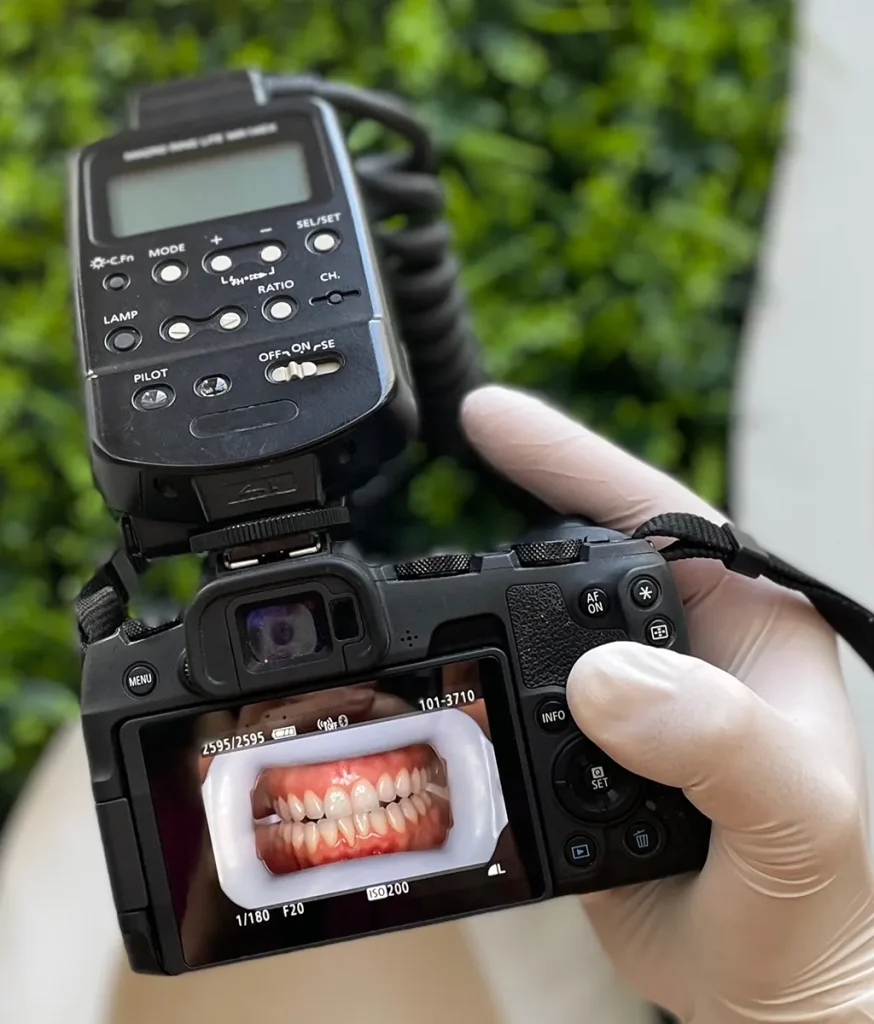
Aesthetic Dentistry aims to enhance the appearance of teeth, gums, and smiles, helping patients feel more confident.
This includes various cosmetic procedures such as teeth whitening, the placement of veneers, orthodontics, and the restoration of teeth with aesthetic crowns or fillings.
Aesthetic treatments not only prioritize the health of the teeth but also focus on their harmonious appearance, ensuring that patients achieve a natural and beautiful smile.
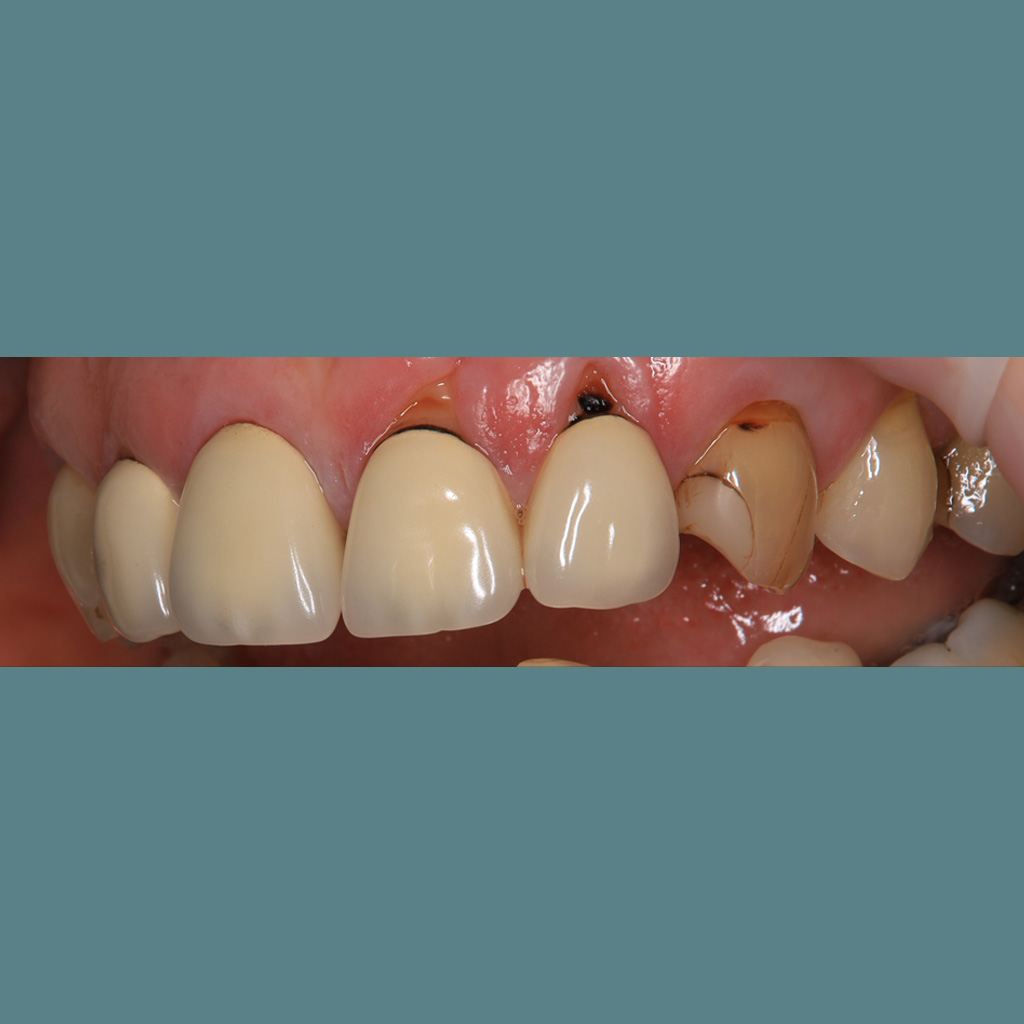
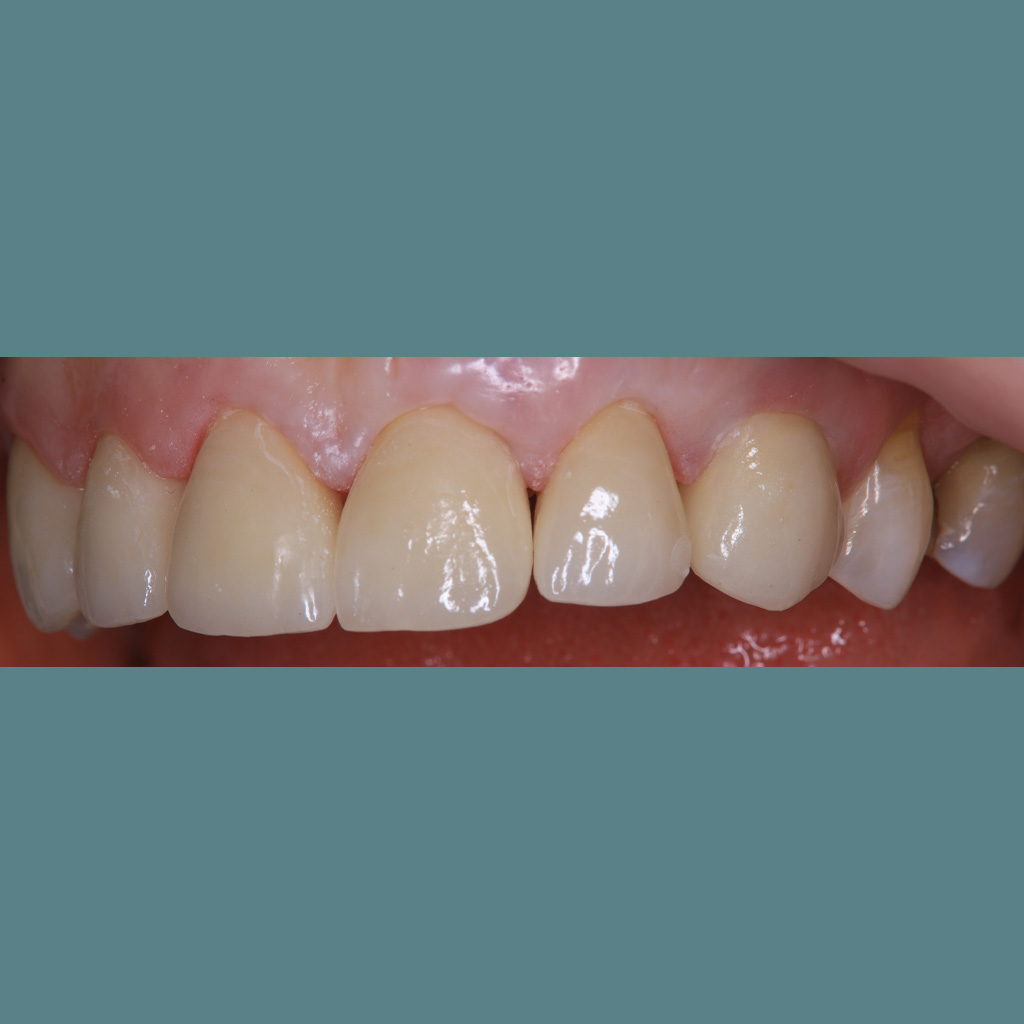
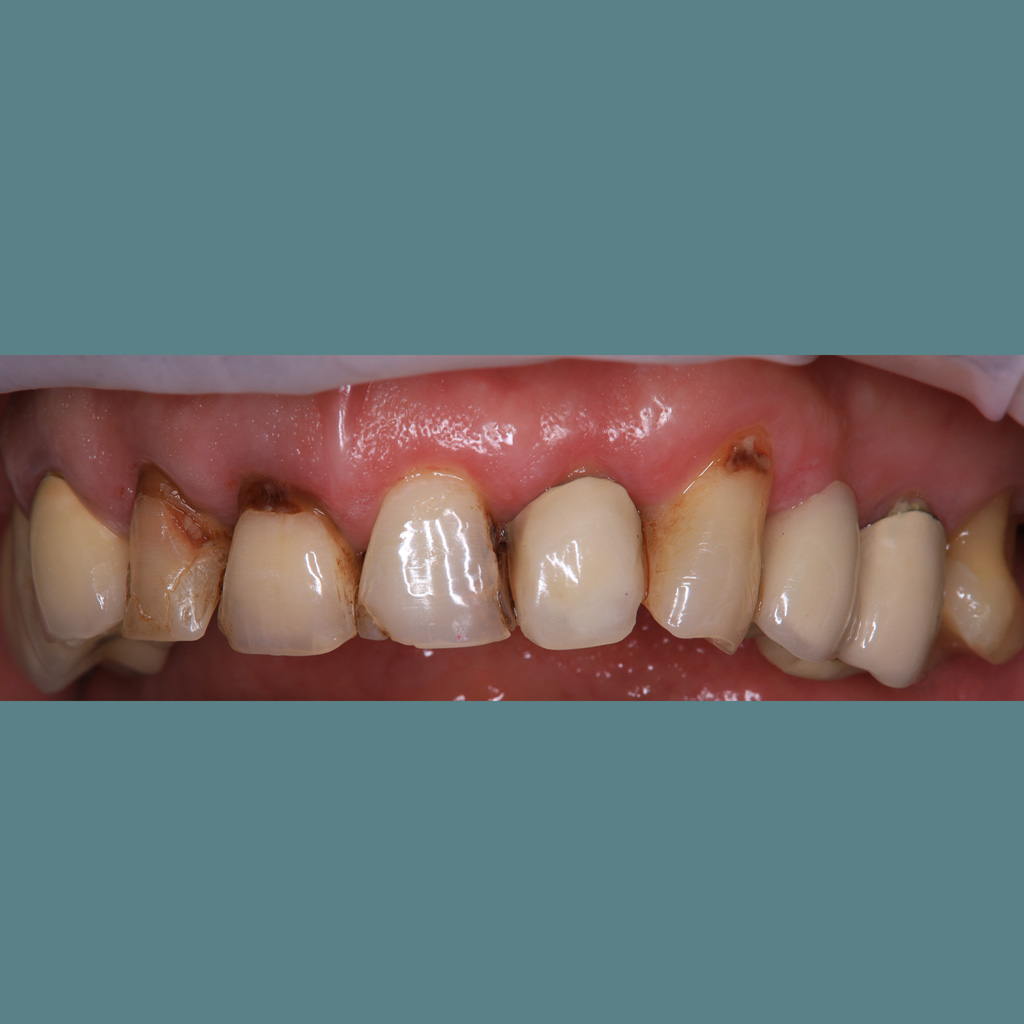
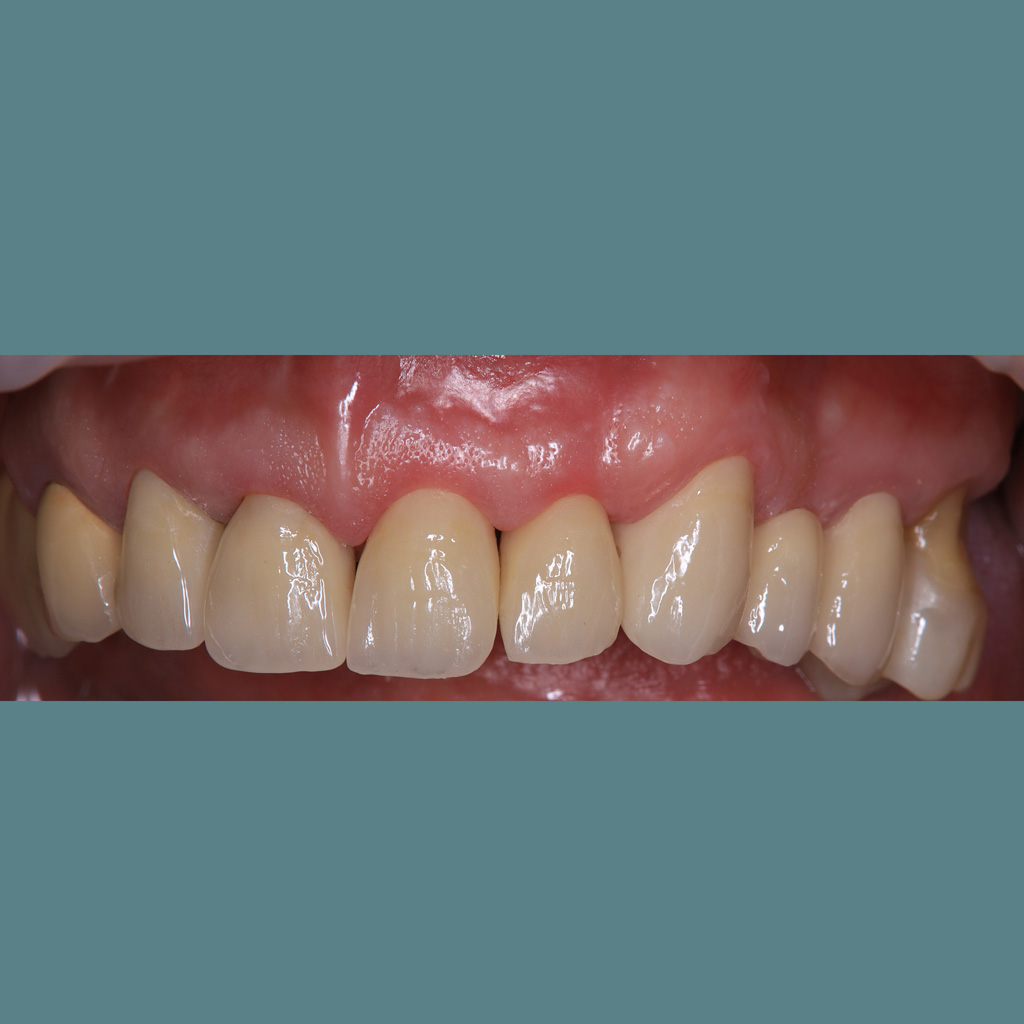
Aesthetic dentistry aims to improve the appearance of teeth, not just restore their health. It offers treatments that focus on the aesthetics and harmony of the smile.
The most popular procedures include teeth whitening, porcelain veneers, tooth jewelry, and various forms of orthodontics. These treatments help improve the color, shape, and alignment of the teeth.
Most aesthetic procedures are minimally invasive or completely painless. The dentist often uses local anesthesia to ensure that the patient feels comfortable during the treatment.
This depends on the treatment, but for example, the results of teeth whitening can last for years if proper oral hygiene is maintained. The durability of veneers and crowns can also be long-lasting if they are cared for properly.
The cost of aesthetic treatments can vary significantly depending on the type and complexity of the procedure. During a consultation, the dentist can provide an accurate price estimate based on individual needs.
The dentist will discuss the needs in advance and create a treatment plan. Maintaining proper oral hygiene and having regular teeth cleanings are essential for a successful outcome.
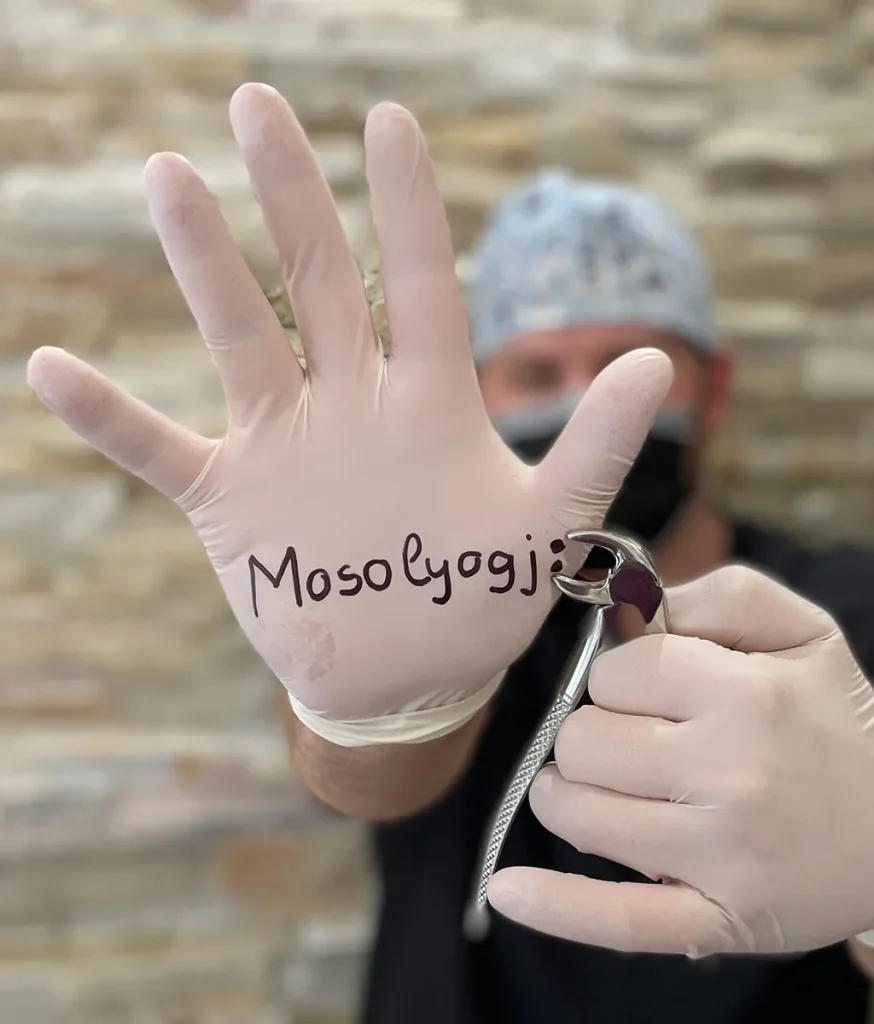
It encompasses more complex procedures such as wisdom tooth extraction, dental implant placement, cyst removal, and jaw surgeries.
The goals of oral surgical treatments are to restore the functional and aesthetic aspects of the mouth and teeth, as well as to preserve and enhance oral health.
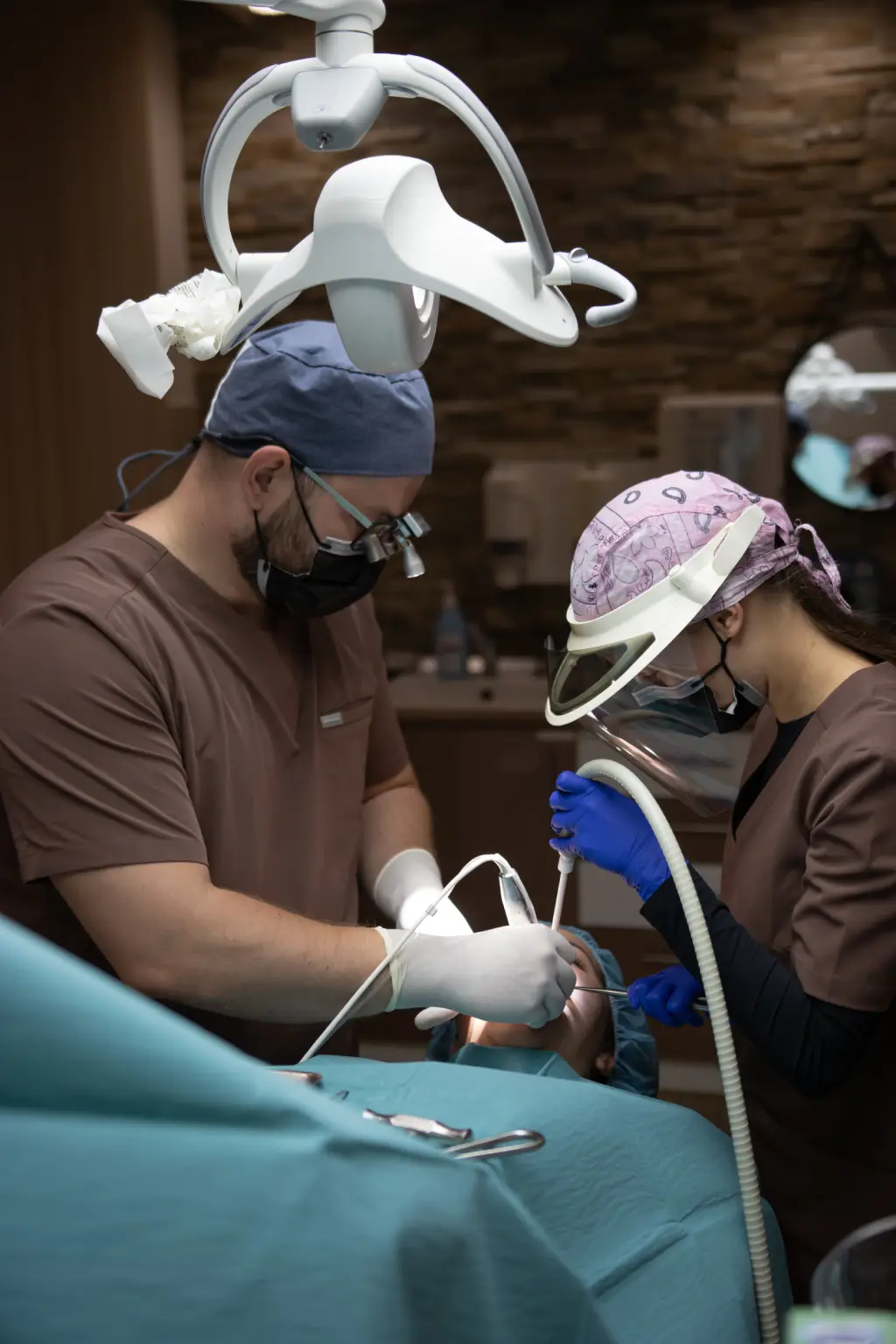
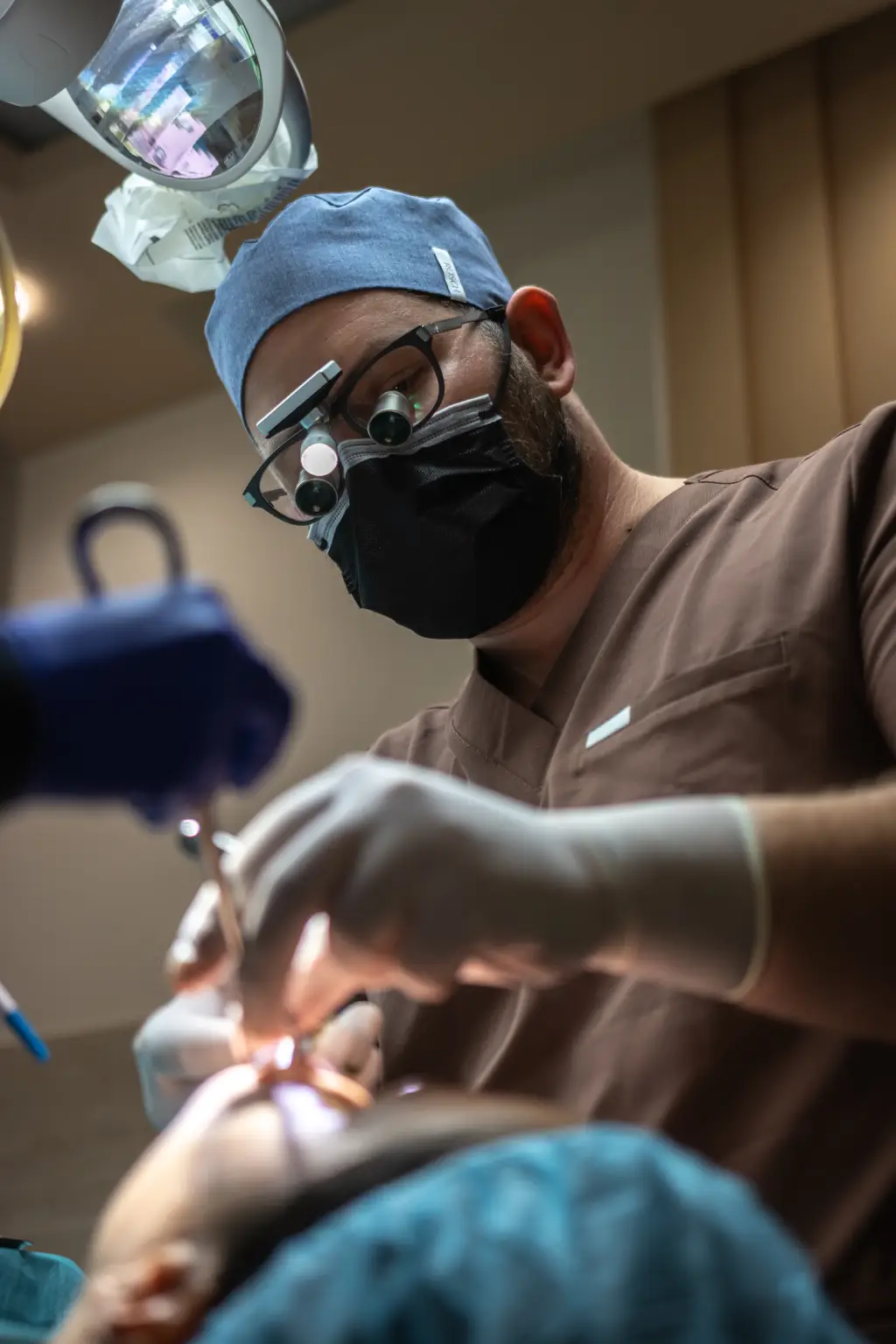
The most common treatments include the removal of wisdom teeth, the placement of dental implants, the removal of cysts and tumors, as well as jaw and bone correction surgeries. These procedures focus on addressing issues related to the oral cavity and the jaw.
Oral surgery may be necessary when a tooth cannot be simply extracted, when a dental implant needs to be placed, or when there are issues with the jawbone. Such procedures often require specialized expertise.
Most oral surgical procedures are performed under local anesthesia or sedation, so the patient does not feel pain during the surgery. Any pain that may occur during the recovery period can be alleviated with pain relievers.
The recovery time depends on the type of surgery, but it typically takes anywhere from a few days to a few weeks. The oral surgeon will provide detailed instructions for the recovery period, including dietary and oral hygiene recommendations.
As with any surgical procedure, there are certain risks involved, such as infection, bleeding, or nerve damage. However, the oral surgeon will take every precaution to minimize these risks and will provide detailed information before the procedure.
Before the surgery, it is important for the patient to follow all instructions, such as those related to eating and medication. After the surgery, rest, pain relievers, and proper oral hygiene may be necessary for a speedy recovery.
When it comes to dental prosthetics, there are various procedures to consider. Aesthetically, these options are generally suitable, and with fixed prosthetics, chewing function can be restored as well. However, in each case, the patient is forced to make necessary compromises.
Implantation differs fundamentally from traditional dental prosthetics. It is the only method that allows us to imitate the structure of natural teeth, meaning we can replace not only the visible, crown part of the tooth but also the lost tooth root.
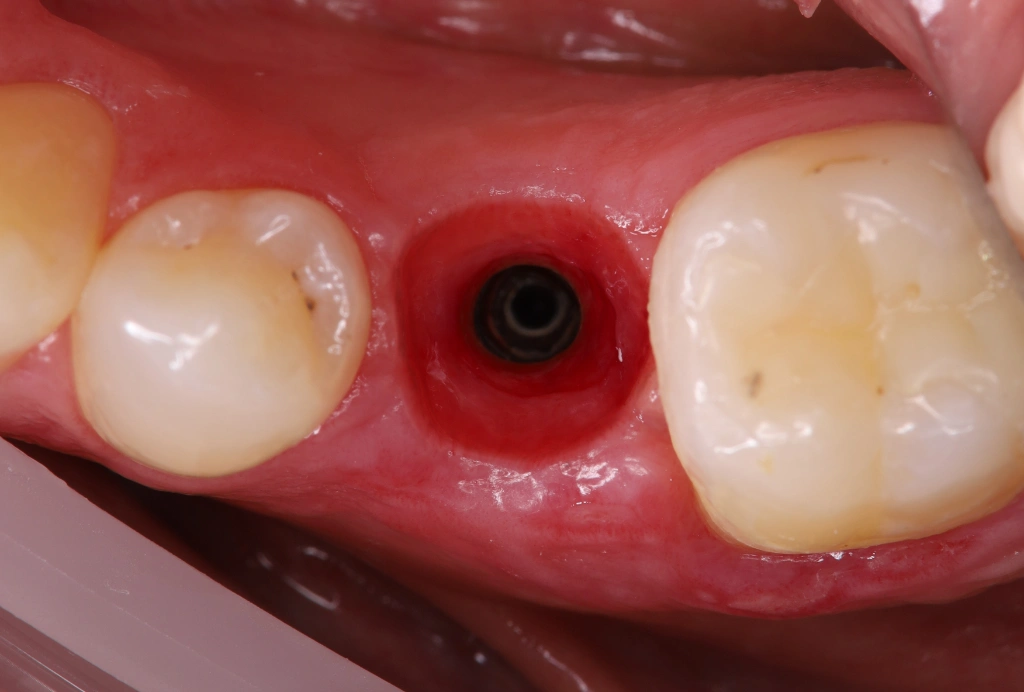
Currently, there is no more durable or aesthetically pleasing solution than implant-supported dental prosthetics if you wish to replace your lost teeth. With implant-supported prosthetics, eating feels almost the same as before; the prosthetic never shifts, and its appearance is identical to that of natural teeth.
If you need a dental prosthetic and would like to learn more about implant-supported prosthetics, please feel free to contact us!
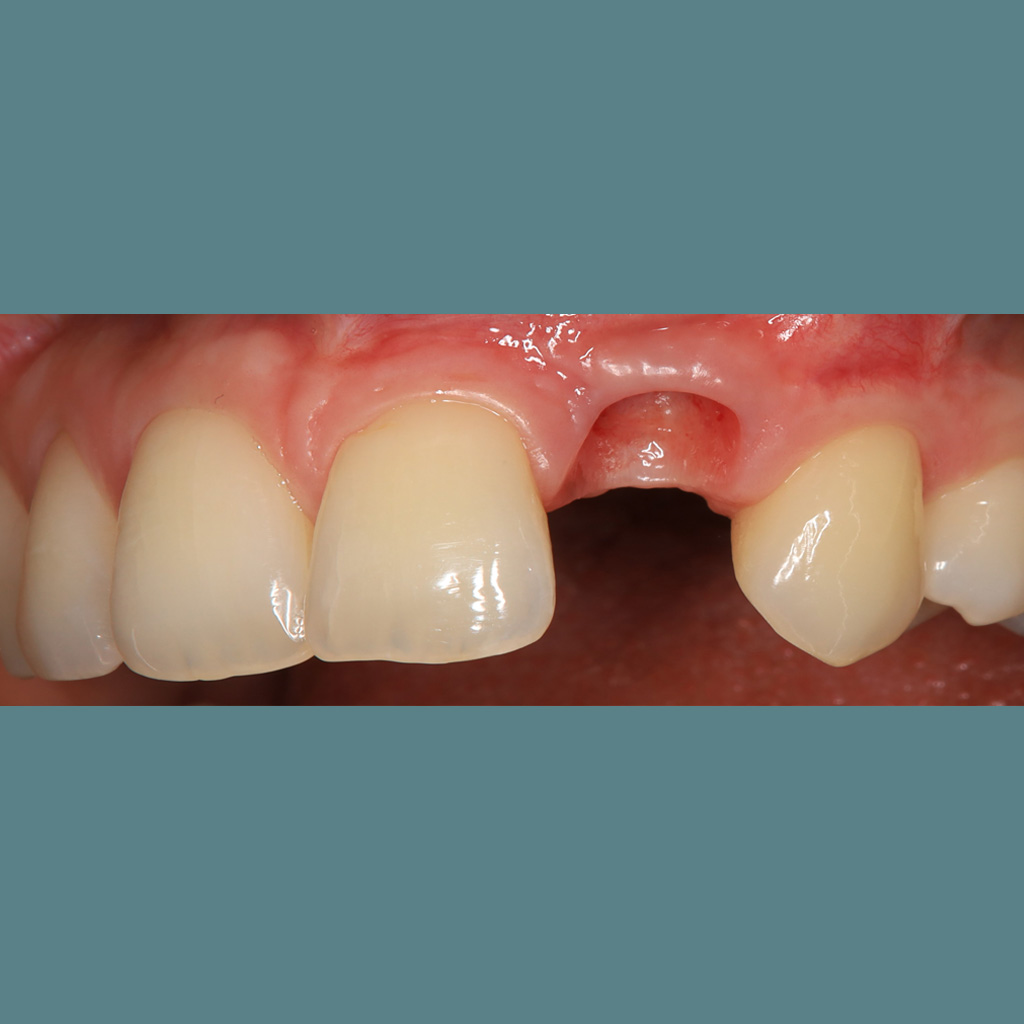
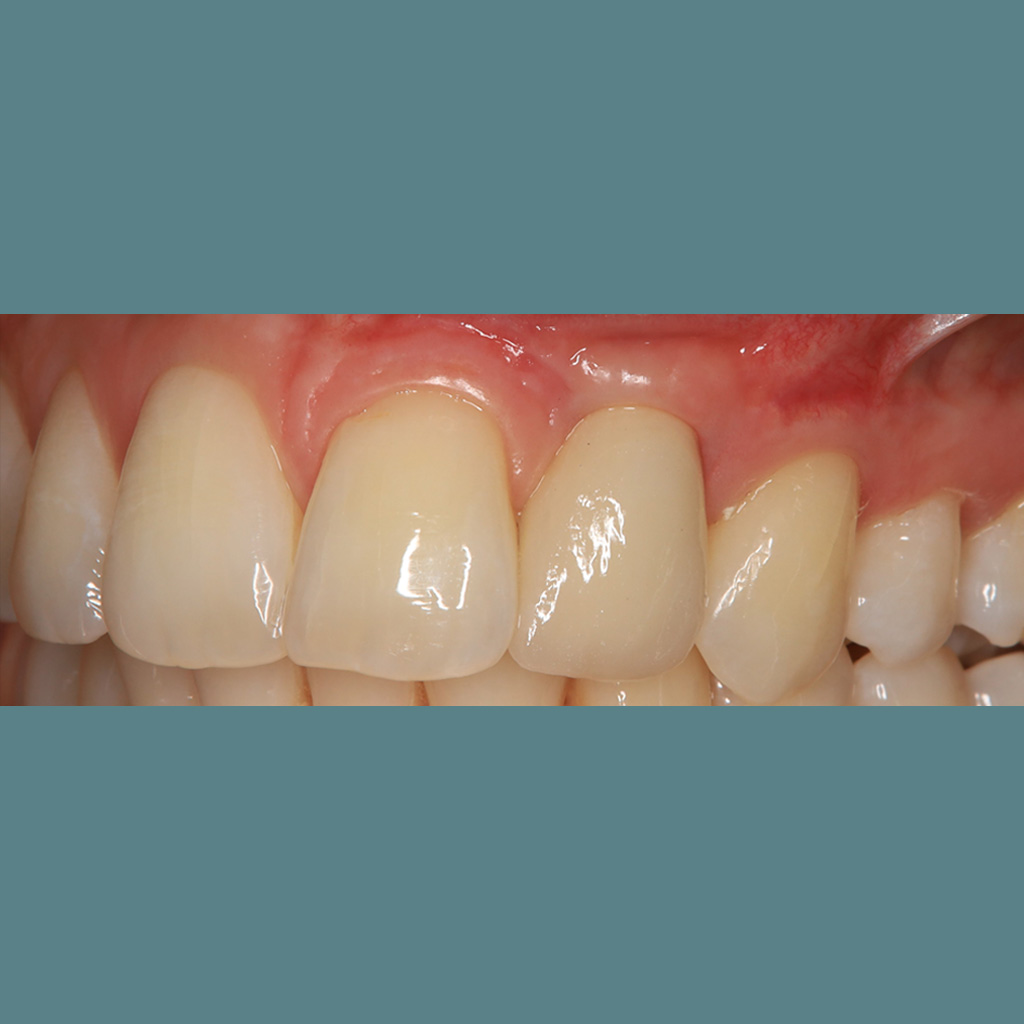
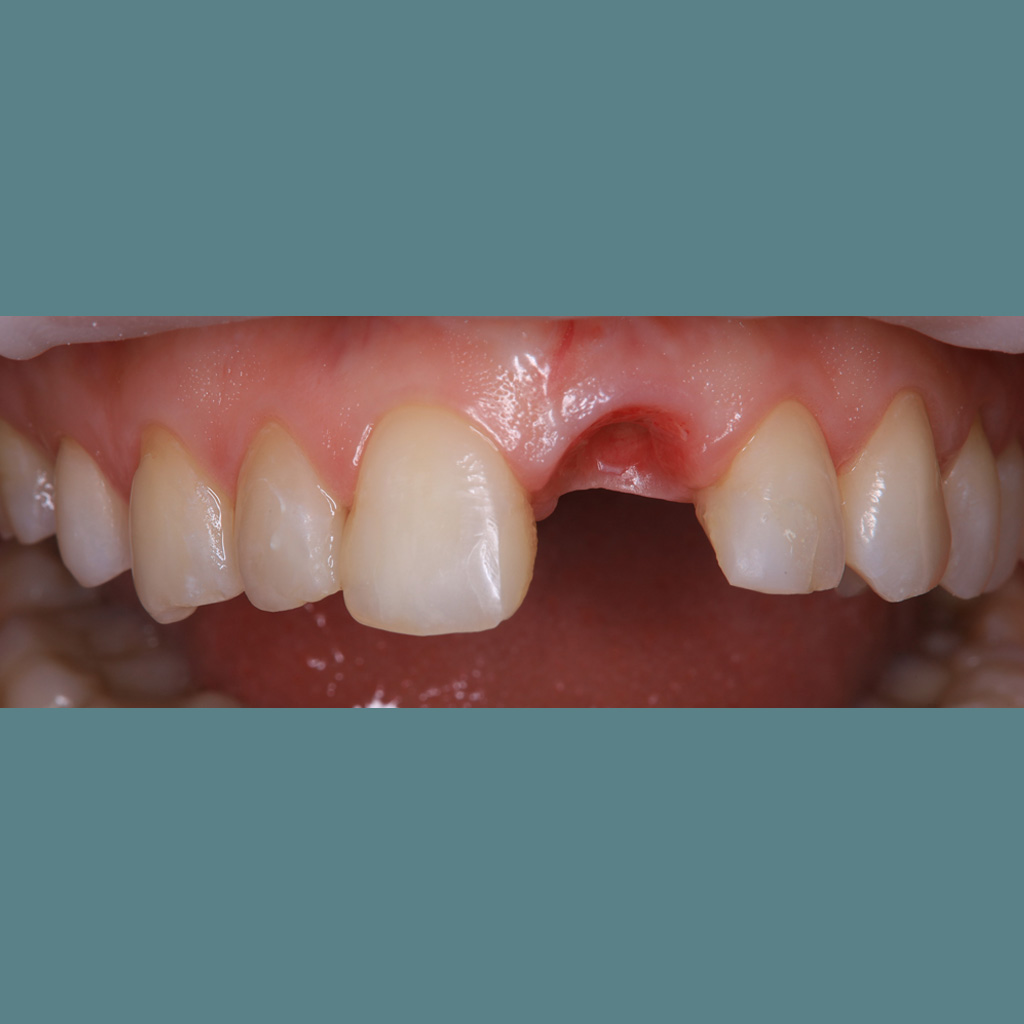
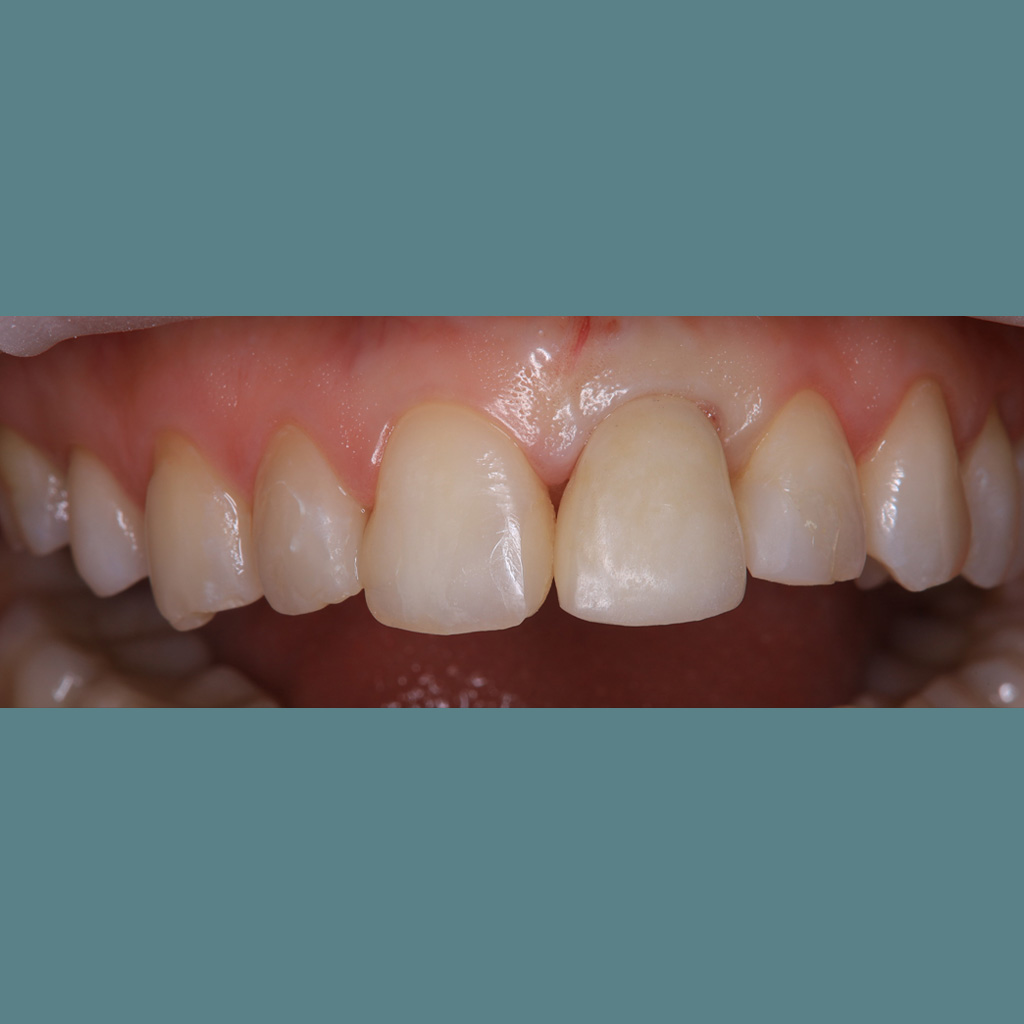
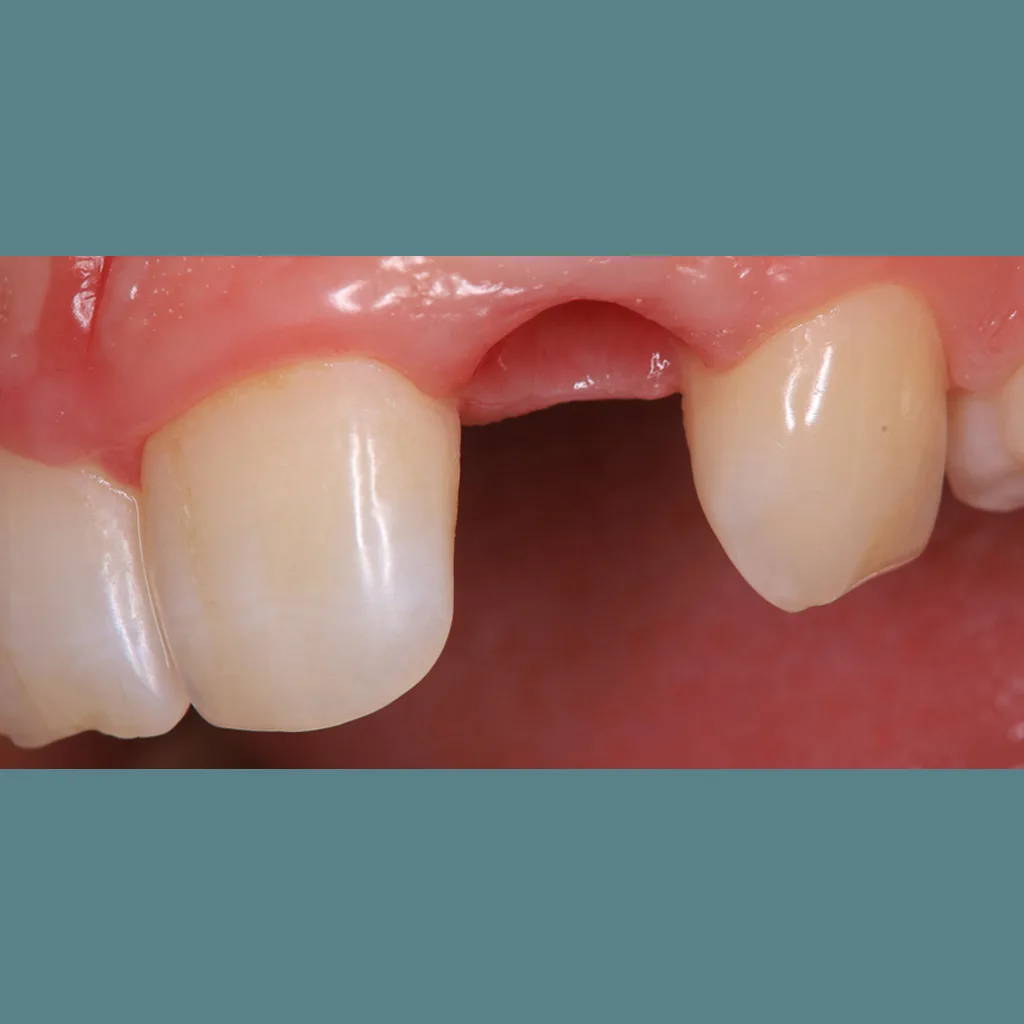
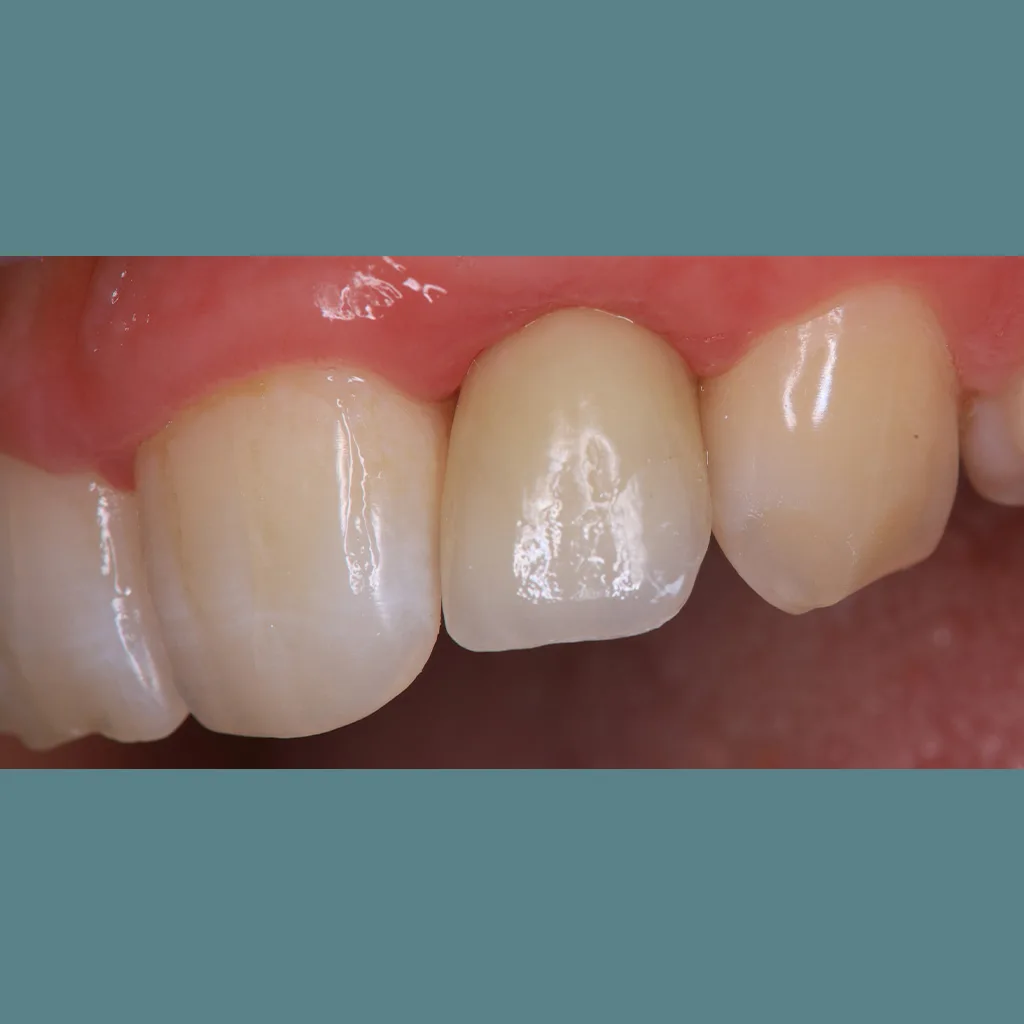
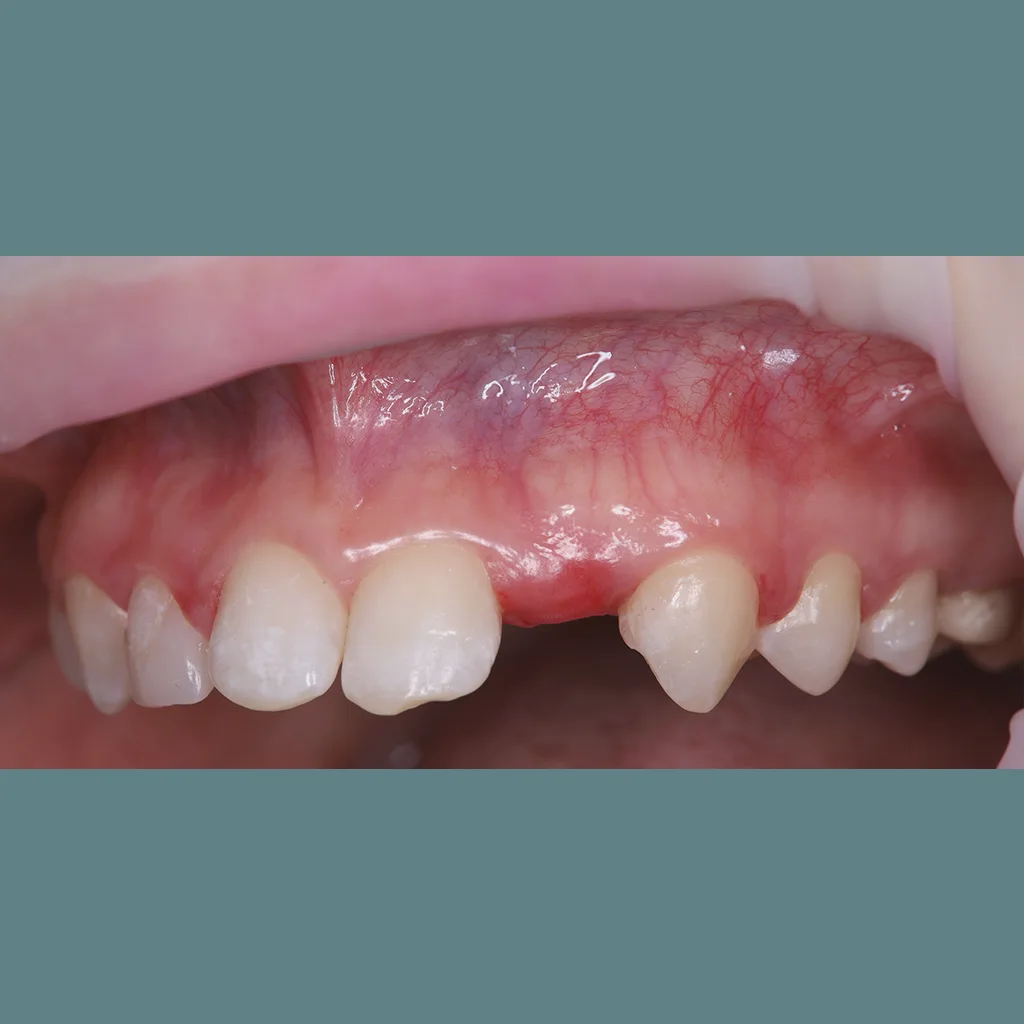
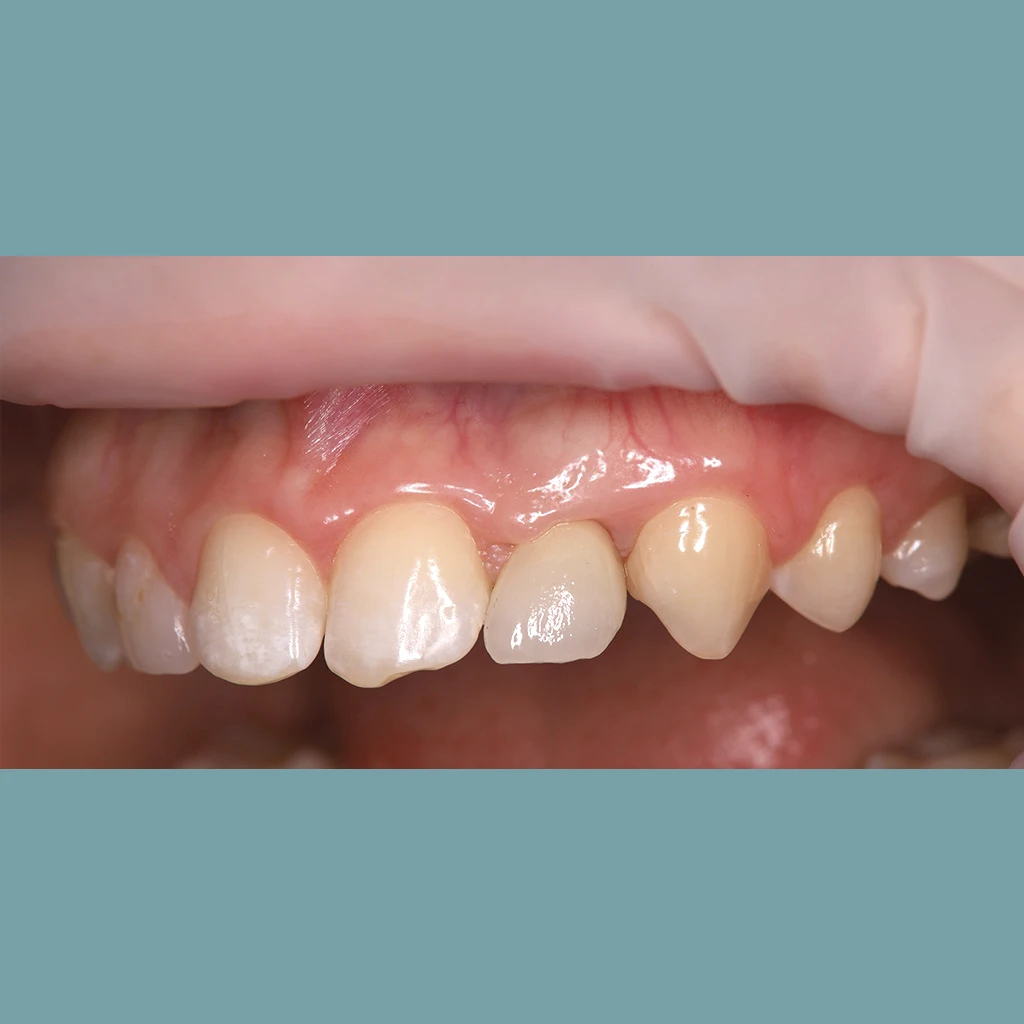
I can determine this with complete certainty only after an examination, but there are certain factors for which we do not recommend implantation. For example, implantation before the age of 18 is contraindicated, as the jawbones are still developing at that time. Heavy smoking, untreated diabetes, certain cancer therapies, and some long-term medications can also negatively affect bone regeneration; in these cases, I will generally plan some other type of dental restoration for you.
Thanks to science, we can now perform many procedures to replace the lost bone mass. Most of these can be done in an outpatient setting at my office and do not involve any significant discomfort. Typically, we use animal-derived or synthetic bone graft materials in the affected area. After a few months of healing, if everything goes according to plan, the bone will become suitable for receiving implants.
It is important to know that you have the most influence on the lifespan of implants and the restorations made on them by cleaning them according to my instructions and regularly attending check-up appointments. If an implant is well cared for, it can last a lifetime, but generally, we predict a lifespan of 25 to 30 years at the time of implantation. This is about twice the expected lifespan of bridges made for natural teeth!
From the beginning to the end of the treatment, it is necessary to wait a few months in all cases. The implants are surgically placed into the jawbone, and time is needed for them to be securely anchored. In more complicated cases, where the extraction of the concerned tooth or possibly bone regeneration procedures also need to be performed, the overall duration of the treatment may be extended.
Most of my patients are usually surprised by this: in reality, the placement of implants is rarely painful. We use local anesthesia during the procedure, so you won’t feel anything other than pressure and tension. In the days following the placement, some discomfort may occur, but these are actually rare.
With implants, oral hygiene is just as important as if you had your own teeth, in fact! The durability of implant restorations can only be guaranteed if they are properly cleaned. There are a number of practical tools available on the market to do this, and after you have received your implant, I will explain to you in detail how to clean your implants to get the most out of their life!
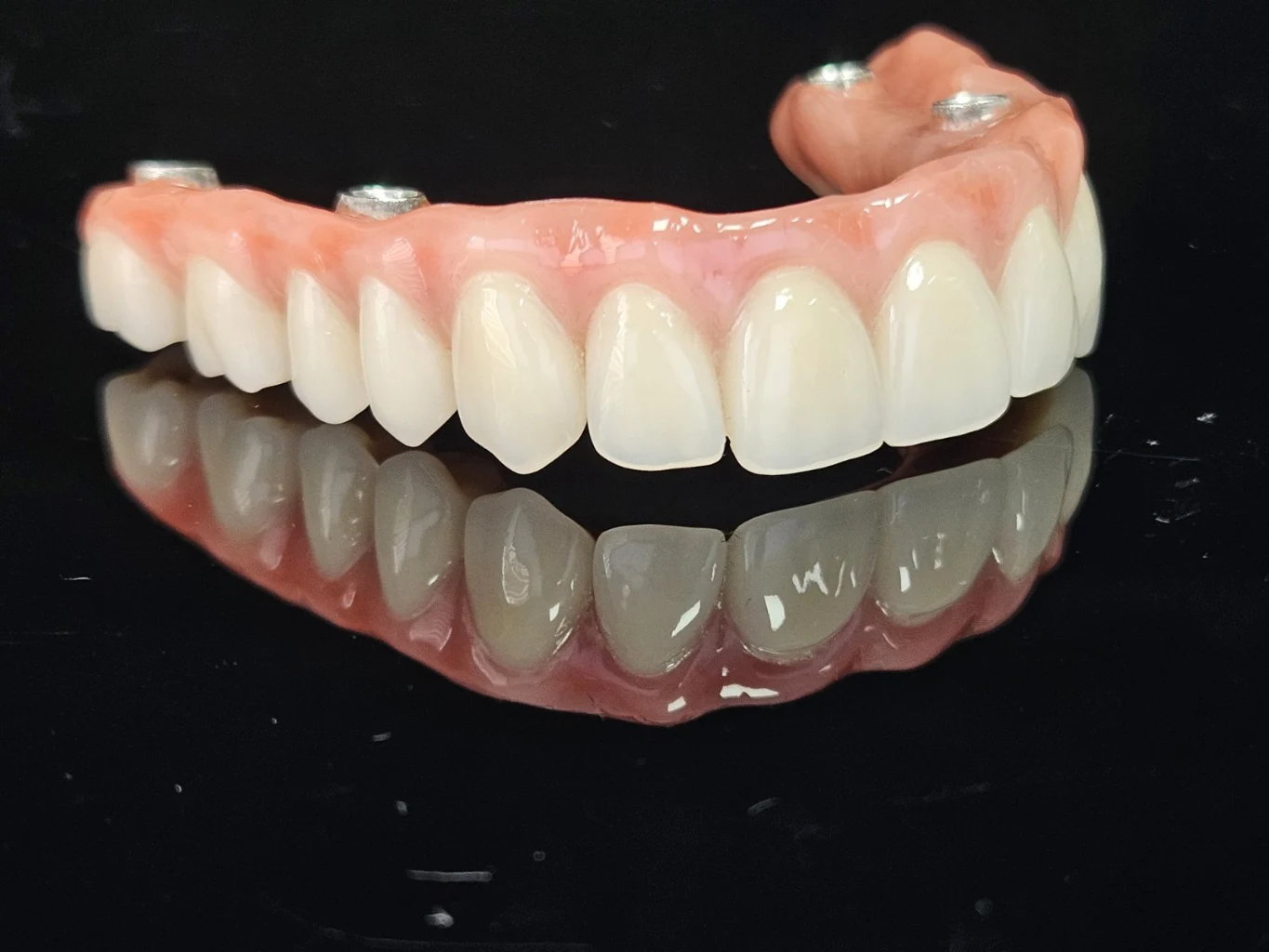
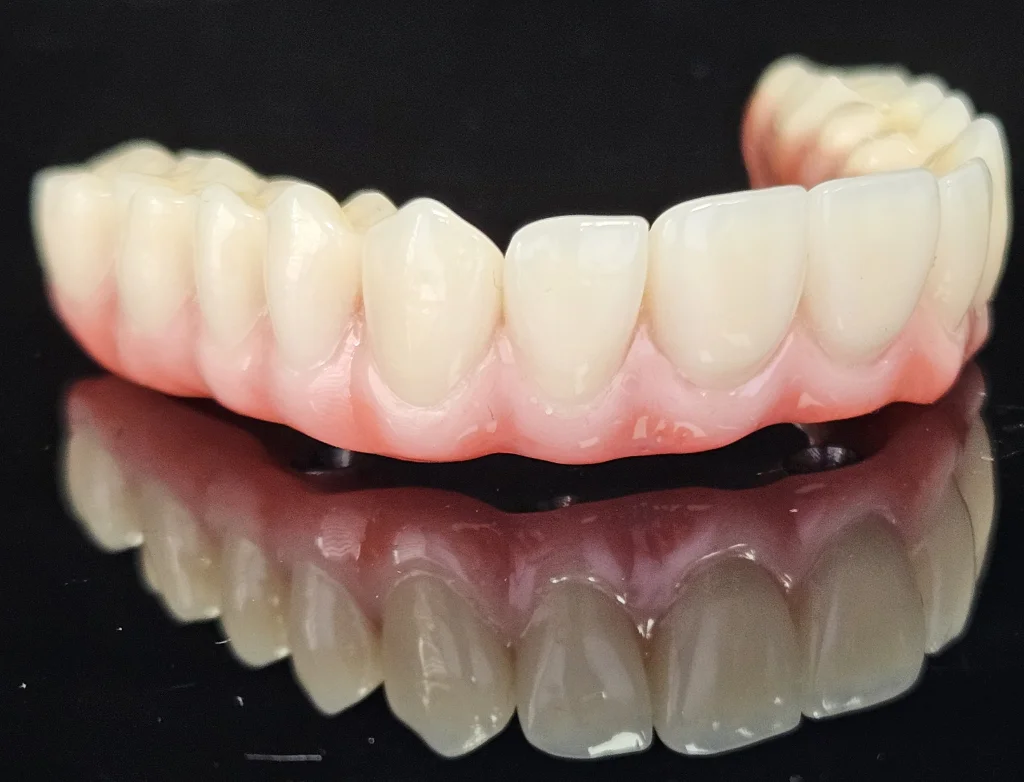
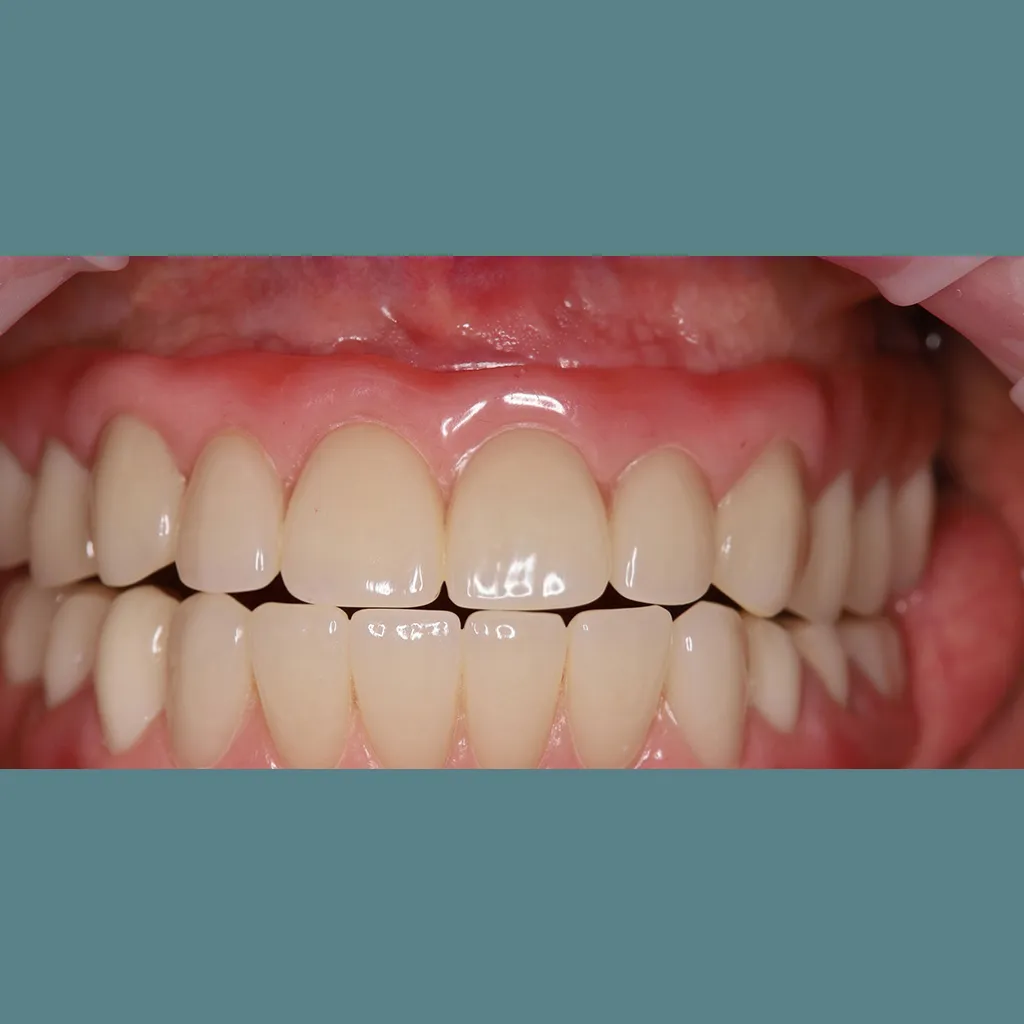
All-on-4 and All-on-6 implant procedures provide a modern, implant-supported solution for patients with complete or near-complete tooth loss. The goal of the treatment is a fixed, screw-retained dental restoration that offers a stable, aesthetic, and long-term reliable alternative to traditional removable dentures.
With the All-on-4 technique, a full dental arch is restored using a fixed bridge supported by four implants. In the case of All-on-6, six implants are used, providing even greater stability and more balanced load distribution. The implants are placed in specially planned positions, which in many cases makes it possible to avoid bone grafting.
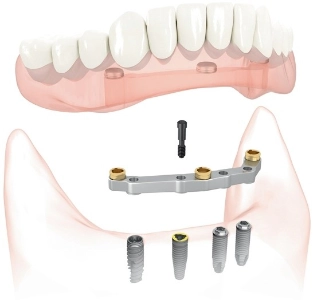
In cases of complete tooth loss, after tooth extractions due to advanced periodontal disease, or for patients seeking a fixed solution instead of removable dentures.
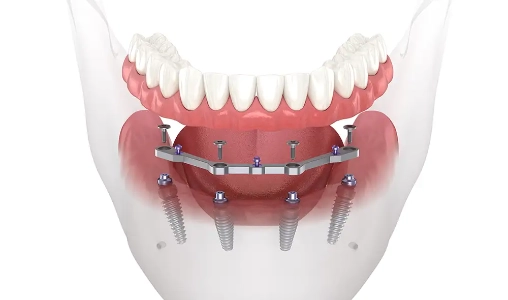
A fixed, non-removable dental restoration; natural chewing and speech; an aesthetic smile; often immediate temporary teeth; and a long-term reliable solution.
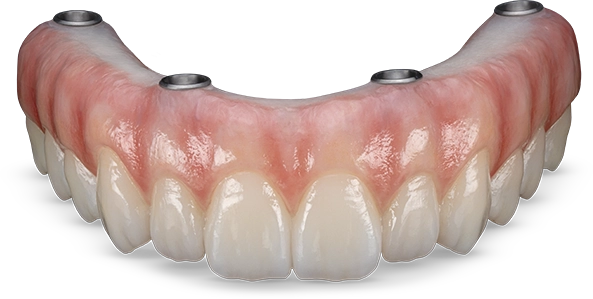
Consultation and diagnostics, implant placement, temporary fixed restoration, healing period, followed by the fabrication of the final screw-retained dental prosthesis.
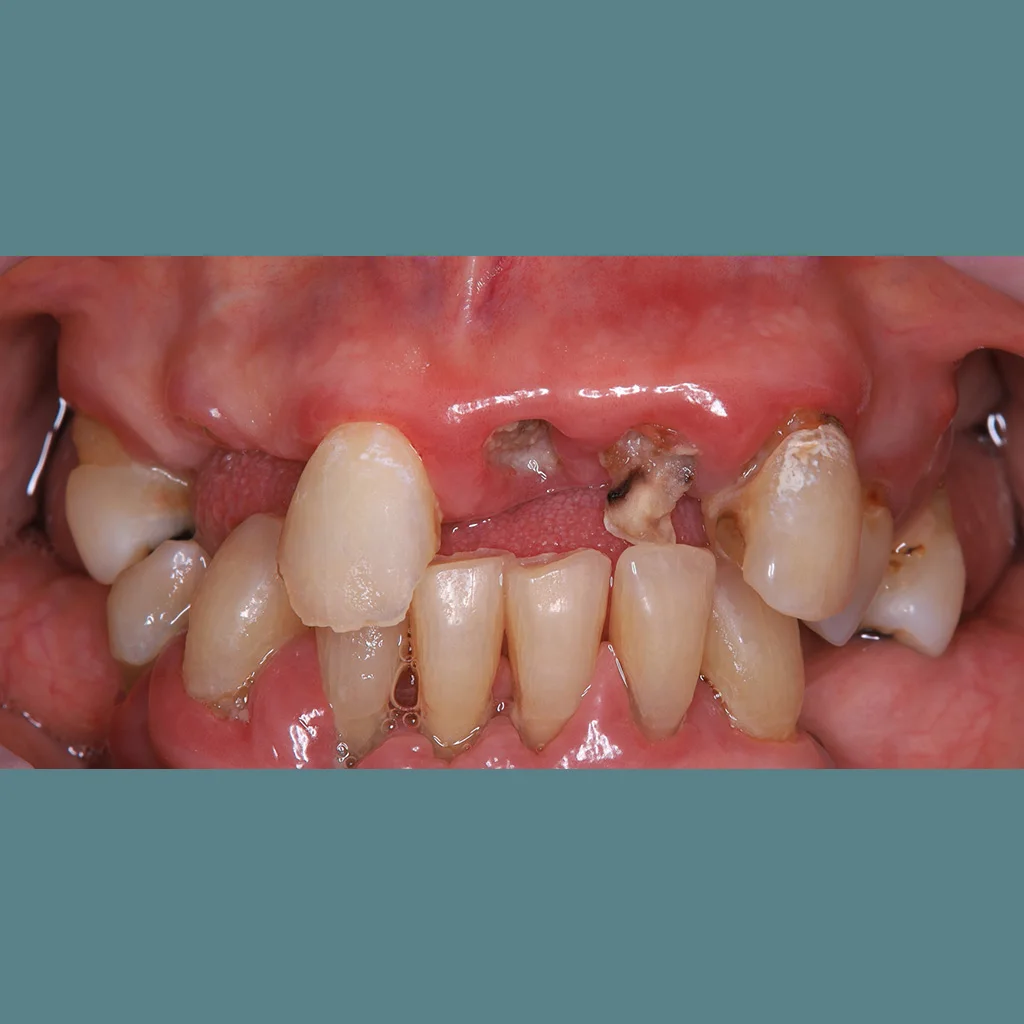
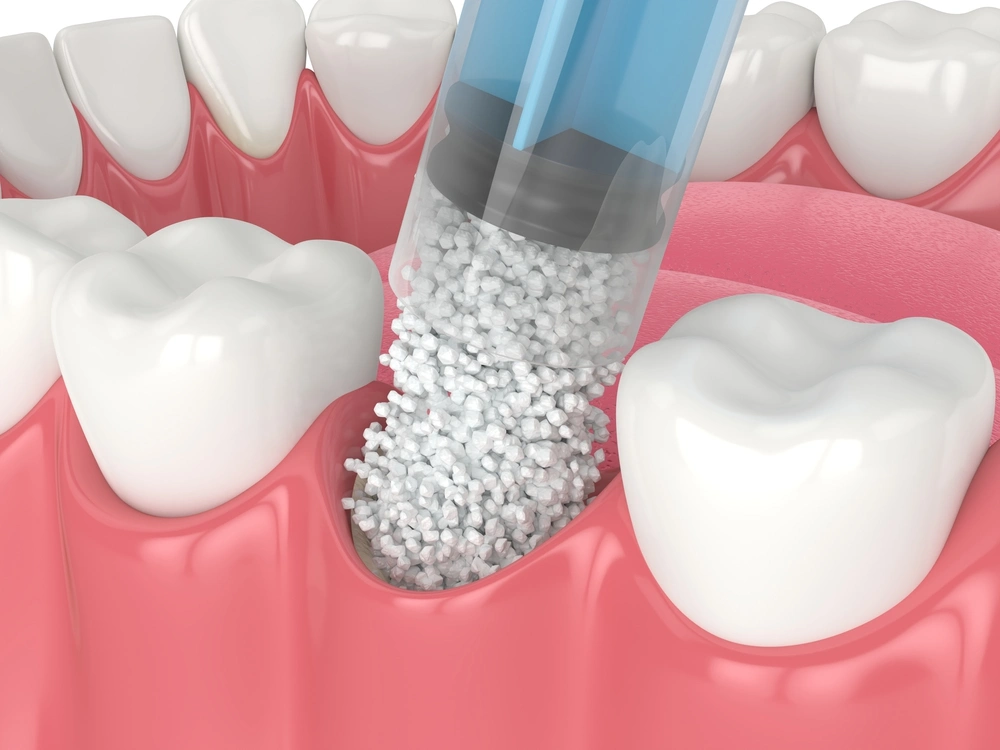
If you have lost teeth in the past, the bone there may have thinned or been absorbed.
In this case, we will need to perform a bone grafting procedure to successfully place the implant.
I use animal-derived ingredients to effectively perform bone replacement.
The treatment is performed under local anaesthesia, which is very effective. During the procedure you will feel tension and pressure, but no pain. If you experience pain after the procedure, this is normal but can be treated with painkillers.
This may vary depending on the case, I can tell you the exact recovery time at your consultation.
Of course, once the painkillers wear off, you can eat. Avoid foods that are too hot or too cold. Choose soft, spice-free products and avoid alcohol and live-flavoured products.
Bone grafting is done in one session, but the implantation may be done in a separate treatment. This depends on your individual circumstances, which I will see during your consultation.
A maxillary sinus lift is a bone grafting procedure that is performed on the upper jawbone for teeth that fall below the line of the sinus.
Bone replacement is successful in the majority of cases, but your individual circumstances will have a big influence on the outcome of the treatment. Even after the healing period, there may not be enough bone of sufficient quality and quantity for implantation. I will of course ensure that the number of such cases is minimised.